December 8, 2025
Kakoli Ghosh Dastidar’s speech during the discussion on the 150th anniversary of the national song ‘Vande Mataram’
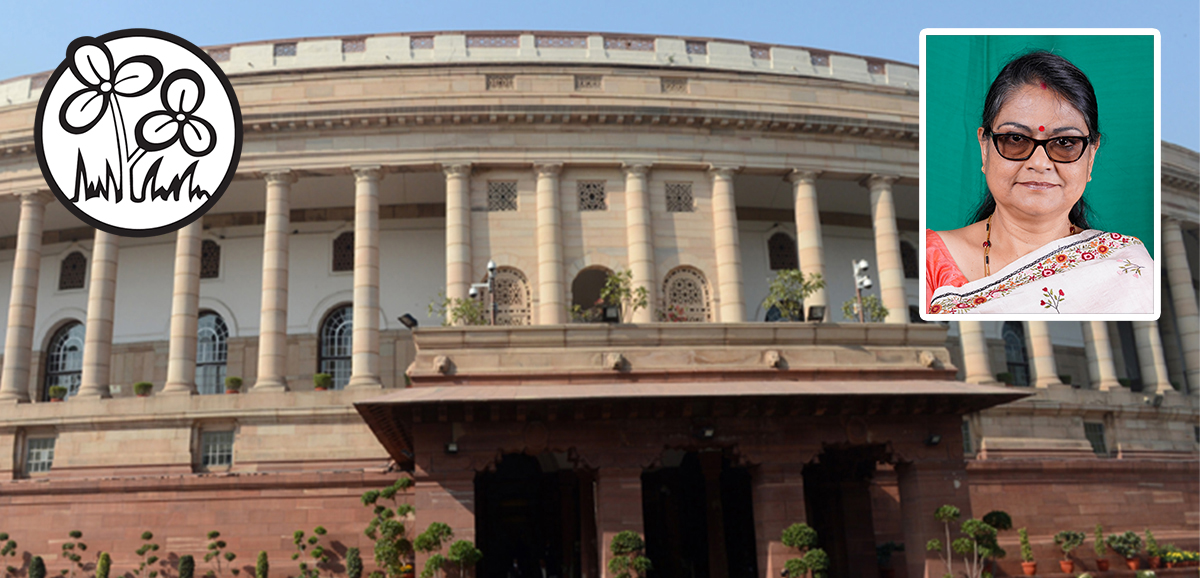
Vande Mataram! Jai Hind! Hon. Chairperson Sir, today’s topic is the celebration of the 150th anniversary of Vande Mataram. Beyond this meeting, I respectfully appeal to all my countrymen to view Vande Mataram not just as a national song, not just as a prayer, not just as a poem, but as a determination. This consciousness-creating emotion runs deep in the heart of every Indian, which, resounding in thousands upon thousands and millions of voices, inspired India to take forward the freedom struggle. Of course, it is difficult for those in power today to understand why, when their predecessor Savarkar secured his own freedom by giving apology bonds and was appointed to the subjugation of British imperialism.In contrast at the same juncture, 64 per cent, that is 398 were Bengali out of all the 585 prisoners in Cellular Jail. These Bengalis fought for the freedom of the motherland and were thrown in Cellular Jail without them ever worrying about their own individual freedom. Who hasn’t heard the song “Ekbar Biday De Maa, ghure asi / Hasi Hasi porbo Fansi, dekhbe Bharatbasi” (Bid me farewell for now, Mother. I shall be back soon / I will wear the noose with a smile when I am hanged, and all Indians shall see)? This was voiced by the youngest martyr Khudiram Bose while going to the gallows, at a time when the predecessors of today’s ruling party were bent on saving India by bowing down to British imperialism with apology bonds. So they will not understand. Today, when they issue a decree, they remove it within a few moments, but do not apologize. This is condemnable. Today, their parliamentarian Vishweshwar Hegde Kageri is not punished; this is also very unfortunate. And even more than that, today’s hundreds of telephone calls and messages that came from West Bengal felt really moving to me. Hearing the way the hon. Prime Minister called Rishi Bankim Chandra Chattopadhyay “Bankim Da” in his speech, it seemed that he was having a conversation with him over tea. Bengalis and Bengali-speaking people are not taking this well. Bengalis do not accept the insults of all these scholars, like the marble statue of Ishwar Chandra Vidyasagar being broken, or disrespecting Raja Rammohan Roy, for whom I am being able to stand here today, for whom the practice of Sati Daha was abolished, women were educated — Bengalis do not accept these insults.Even today, Rishi Bankim Chandra Chattopadhyay is called “Dada” here in this House. Bengalis will not accept this. We follow the parliamentary code of conduct. Just as people of different religions sometimes follow the Gita, the Bible, the Quran, or the Tripitaka, similarly we follow this Constitution which shows us the way. This Constitution is being completely violated. We want justice. We want justice for this insult to Bengal; we want justice for the insult to the Constitution. Bengal knows how to roar.During the freedom struggle this roar has come to the voice of every Bengali. Jai Hind has come to the voice of Netaji Subhas Chandra Bose, our national anthem “Jana Gana Mana” is the creation of the “poet of the world” Rabindranath Tagore — which has been insulted by their parliamentarian Vishweshwar Hegde Kageri. We consider the patriotism of Bengalis to be above all. We Bengalis do not accept this kind of insult. Rishi Aurobindo gave the title of “Rishi” to Bankim Chandra Chattopadhyay. I feel proud that the people of Barasat have elected me here four times, and Rishi Bankim Chandra was the Deputy Magistrate from the same place, and he used to walk there from Kolkata on foot to carry out his work responsibilities in Barasat. Rishi Bankim Chandra first published Vande Mataram in the “Bongodarshan” magazine on 7 November 1875, and in 1882 it was included in the novel “Ananda Math”. I think none of them knows this book. I would like to share two lines from there. During the years 1174–75, the king used to strictly collect revenue.In 1175, there was no rain, no harvest, and rice became expensive. The poor ate once a day, and people first started begging — after that who gives alms? They started fasting, fell ill, sold their cows, ploughs, and ate paddy from the fields. They were affected by diseases like fever, malnutrition, and chicken pox. This is a picture of that time when we were oppressed during British rule. At that time, this song was composed as a conversation between Mahendra and those who were called sons of the land and who were busy with the work of the country like Bhabananda. “Vande Mataram / sujalam suphalam malayaja sheetalam / sasyashyamalam Mataram” (“Mother, I praise thee! Rich with thy hurrying streams, bright with orchard gleams, cool with thy winds of delight, dark fields waving — Mother of might”).
Mahendra was surprised hearing this song, didn’t understand anything and asked, “Who’s the mother?” Bhabananda didn’t answer and continued singing, “shubhrajyotsna pulakita yaaminim phulla kusumita drumadal shobhiniim suhaasinim sumadhura haashhinim sukhadam varadam Mataram” (“Moonlight drapes your trees and streams — they shine under your gentle watch. In your blooming arms, you offer rest. Your laughter hums low and sweet; press my head to your feet, Mother, voice soft as prayer.”) Mahendra exclaimed, “Your narration is about the country. This is not about the mother.” Bhabananda replied, “The only mother we worship is the motherland. We don’t have parents, wife, friends, children or kin or even a house — we only have the Motherland which is rich and prosperous in natural resources.” We address our country as the mother goddess. A Bengali’s writing is inflicting such emotions. After all these. Violating the parliamentary code of conduct, the way he was disrespected and the way a decree was issued against him in Rajya Sabha — I strongly condemn that. Since then, political and religious songs have been sung as national songs in the voices of the freedom fighters. Today, it is the world of photo shoots — there were no photo shoots then. They fought with a firm resolve to liberate the country. People in Bengal still have it in them. Shame on the government that is constantly insulting Bengalis, insulting the Bengali language. What greater insult can there be than wanting to ban in the parliament the song that everyone has sung together? The terror of British imperialism is resounding in the voice of this government today. This voice of paying homage to the motherland should not be used as a way to silence the voice of democracy by the government. At present, the government is trying to snatch the democratic voting rights of the people of India by tricking them. Bengalis will not accept this either. The Bengali-speaking population is being attacked. I want to remind the people that the national anthem, the national song, Jai Hind — all creations from Bengali — are in the hearts of Bengalis. Therefore, if Bengalis are oppressed and attacked, Bengalis will roar. Jai Hind. Vande Mataram. Jai Bangla.